Nouns and Common Nouns for Kids
Five noun groups cover the first rule children need: people, places, animals, things, and ideas. A noun identifies one of these; a common noun gives a general label. This guide to noun and common noun for kids uses direct comparisons, short exercises, and level-based examples. A teacher, city, rabbit, book, and kindness are nouns. Four are physical; kindness is an idea. Follow three steps: spot the noun, decide whether it is category-wide or specific, and check its capital letter.
📥 Noun Detective Practice
Identify common nouns, proper nouns, noun types, and correct capital letters.
Leave your email — we'll send the PDF to your inbox.No spam — the PDF plus one short reminder. Unsubscribe anytime.
What Is a Noun and a Common Noun?
A noun identifies a person, such as sister, doctor, or friend; a place, such as school, park, or kitchen; or a thing, such as pencil, phone, or sandwich. Animals are nouns too: cat, horse, and turtle.
Older children meet nouns for ideas, feelings, and qualities. Words such as love, fear, peace, strength, and honesty are nouns, although no one can touch them. A noun need not be a physical object.
A common noun is a general label. Girl can refer to different girls, river to different rivers, and toy to different toys. When teaching noun and common noun for kids, start with objects your child can point to. Add people, places, animals, and ideas one group at a time.
Common Nouns and Proper Nouns
Ask, “General or exact?” Common nouns name a type: boy, city, month, game, and language. Proper nouns identify a particular person, place, time, product, work, or organisation: Leo, Paris, January, Minecraft, and English.
Proper nouns begin with capital letters. Common nouns use lowercase unless they begin a sentence. Compare I saw a dog with I saw Max. The first identifies a type of animal; the second identifies one animal. A proper noun can contain several words, as in South Africa or British Museum.
Noun and common noun for kids becomes easier when each broad term sits beside a specific example. Choose people, languages, festivals, and places from your child’s life. Multilingual children may know different labels in each language, but the English capital-letter rule remains the same.
Types of Common Nouns Children Learn First
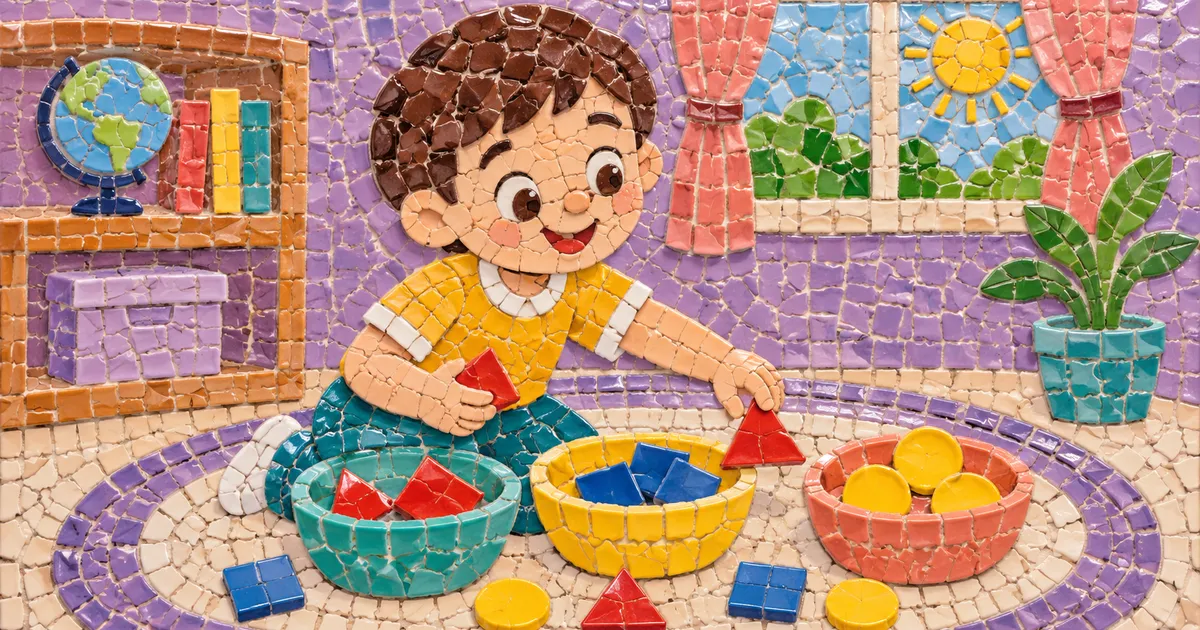
Five groups are people, places, things, animals, and ideas. People include parent, driver, and artist; places include room, street, and museum. Things include cup, bike, and tablet; animals include bird, rabbit, and whale. Ideas include hope, anger, and truth.
Sorting reveals how nouns work in sentences. A young learner can sort picture cards into people, animals, places, and things. A school-age child can underline nouns in a paragraph and label each group. An older learner can replace thing with precise choices such as tool, ticket, message, or gift.
For noun and common noun for kids, teach concrete nouns before abstract ones. Your child may understand kind before recognising kindness as a noun. Compare related words: happy describes, while happiness names an idea; strong describes, while strength names a quality. This helps children separate adjectives from nouns.
Practice 1: Find and Sort the Common Nouns
Read: “The boy put a pencil, an apple, and a book in his bag.” Find the non-specific nouns and sort them into people and things. Answer: boy is a person; pencil, apple, book, and bag are things. Each word names a type, not one exact person or object.
Capital Letters and Tricky Cases
Capital letters mark one specific person, place, or thing. Write We go on Friday, not We go on friday. Days, months, languages, countries, cities, festivals, and personal names begin with capitals. Seasons are common nouns, so write spring, summer, autumn, and winter in lowercase.
Family words depend on their role. Use a capital when the word stands alone as direct address: Can you help me, Mum? or Thank you, Dad. Use lowercase after a possessive: my mum, your dad, or their grandmother. Ask whether the word directly addresses someone.
A lesson on noun and common noun for kids should cover official multi-word titles. Capitalise the key words in Pacific Ocean and British Museum. Check official school, book, film, and organisation titles when unsure. Importance does not create a capital: My brother likes football is correct. See more examples in this guide to capital letters.
Practice 2: Fix the Capital Letters
Rewrite: 1) on monday, we visited the british museum in london. 2) the month of july follows june. 3) we speak spanish at home. 4) our school closes on friday. Answers: 1) On Monday, we visited the British Museum in London. 2) The month of July follows June. 3) We speak Spanish at home. 4) Our school closes on Friday.
How to Teach the Rule at Home
Teach noun and common noun for kids through short daily tasks. Begin in one room. Ask your child to identify five visible things, such as chair, window, bag, shirt, and book. Explain that each word names a type of thing, not one unique object.
Place category words and specific names side by side: city—Rome, friend—Adam, country—Italy, and language—French. Ask: “Could this word describe several people or places?” and “Does it identify one particular person or place?” Let your child explain before correcting the capital.
Keep tasks brief to support careful thought. Use one sentence from a book, calendar, map, family message, or English reading activity. Across LearnLink lessons with online tutors, three steps guide practice: spot the noun, decide whether it is broad or exact, and check its first letter.
Practice 3: Common or Proper?
Write common or proper for each noun: 1) school 2) Mount the child 3) teacher 4) Arabic 5) Tuesday 6) ocean. Answers: school, teacher, and ocean are common nouns. Mount the child, Arabic, and Tuesday are proper nouns. Replace each common noun with a suitable, correctly capitalised proper noun.
Examples by Age and Level
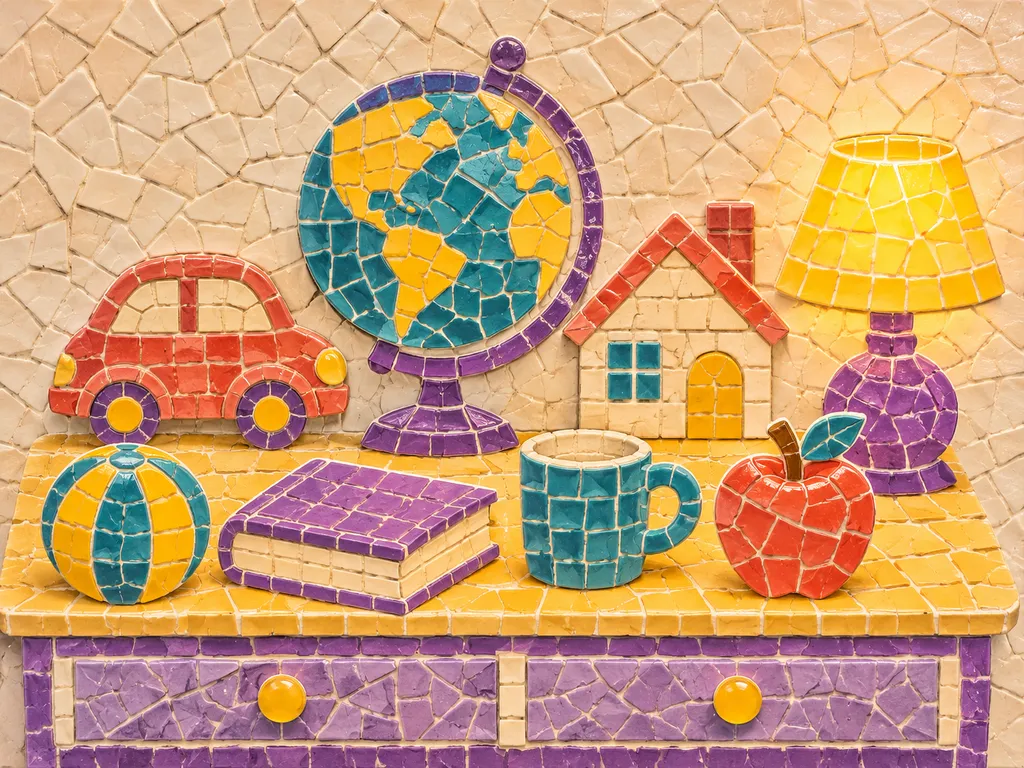
Children can identify, point to, draw, or sort familiar nouns. Use toys, family words, animals, foods, and places: car, parent, bear, banana, and park. At this stage, speaking and picture sorting work better than copying a long definition.
Children can find nouns in short sentences. In The cat slept on the chair, cat and chair are common nouns. They can compare girl with Mia, country with Italy, or river with the Nile. Ask for a reason, not just an answer.
Children can edit paragraphs and choose precise nouns. In She put the thing on the desk, they might replace thing with key, drawing, letter, or phone. They can study proper adjectives: Spain becomes Spanish, and Africa becomes African. At each level, noun and common noun for kids should progress from recognition to explanation and accurate writing.
A Simple Review for Children
Use three checks when reviewing noun and common noun for kids. First, find the noun. Second, ask whether it is general or exact. Third, check the capital. In My cousin lives in Berlin, cousin names a broad family role, while Berlin identifies one city.
Watch for two frequent errors. Some children capitalise every noun, although only proper nouns and sentence beginnings need capitals. Others confuse nouns with describing words. Ask, “Who or what is this sentence about?” and “Does this word identify something or describe it?” The questions guide correction without revealing the answer.
The rule is short: a noun identifies a person, place, animal, thing, or idea; a common noun gives a general label; a proper noun identifies one example. Practise for five minutes: find three nouns in one sentence, label each one common or proper, and correct capital letters. Repeat with two new sentences the next day.
- Choose three nouns from one picture book and name each aloud.
- Sort six word cards into people, places, animals, and things.
- Circle four common nouns in a familiar story, then explain each choice.
- Compare one name with one common noun, such as Mia and girl.
- Ask your child to explain noun and common noun for kids today.
For the rule wording, Wikipedia — English Grammar is a useful reference while the practice examples here stay adapted for children.
Frequently Asked Questions
What Is the Easiest Definition of a Noun for a Child?
A noun is a word for a person, place, animal, thing, or idea. Begin noun and common noun for kids with visible examples such as a table, shoe, apple, and dog. Add familiar people and places, then idea nouns such as love, hope, and truth.
Why Does My Child Capitalise Every Noun?
Your child may know that specific labels take capitals but not yet distinguish them from general labels. Pair one common noun with one proper noun from daily life. Ask which can refer to several people or places and which identifies one. Repeat with people, months, languages, festivals, and organisations.
Do Seasons Begin with Capital Letters?
Seasons take lowercase letters. Use a capital when a season begins a sentence or belongs to an official title. Days and months follow a different rule: they begin with capitals in English.
When Does a Family Word Need a Capital?
Use a capital when a family word stands alone as direct address. Use lowercase after a possessive, as in my mum, your dad, or their grandmother. Ask whether the word addresses one person or gives a general family role.
How Much Noun Practice Does a Child Need?
Use short, regular practice instead of one long task. Choose one sentence from a book, calendar, map, or family message. Ask your child to find the nouns, sort them into common and proper nouns, and explain each capital. If errors continue, return to one category-and-name contrast.
Start your child's English journey today — book a trial lesson with LearnLink.
Stay updated on our latest tips and resources by following us on Instagram LearnLink.